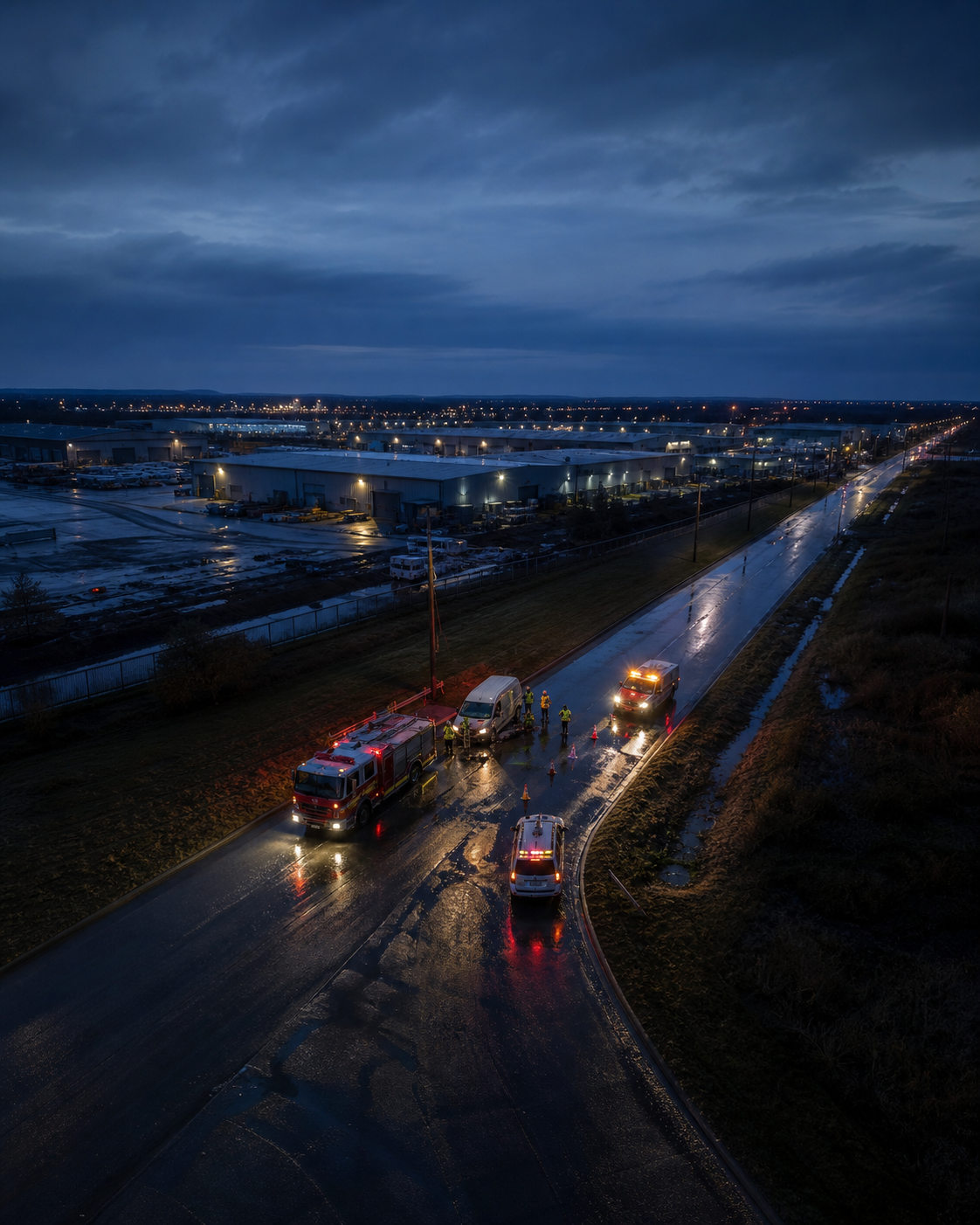
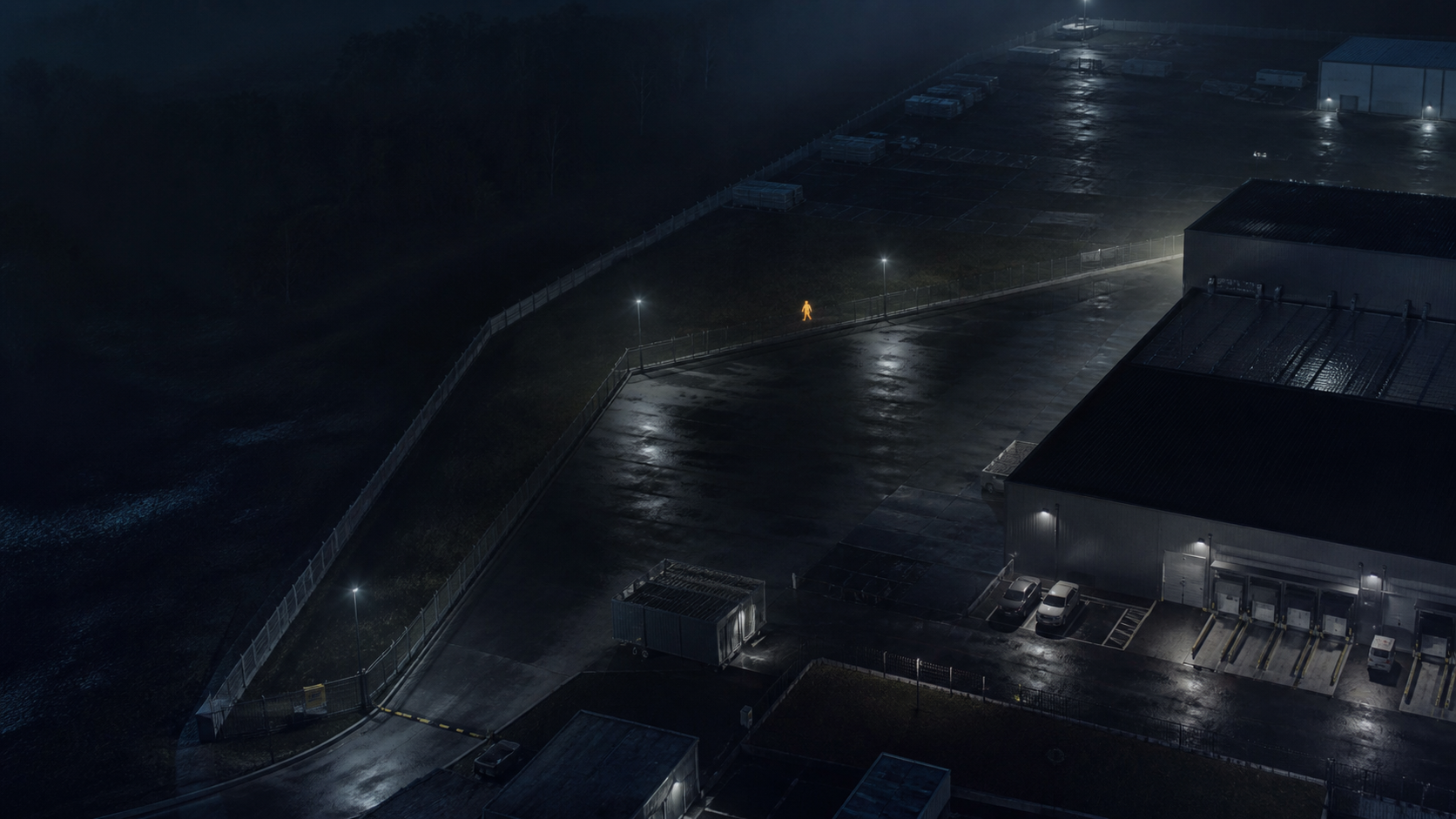
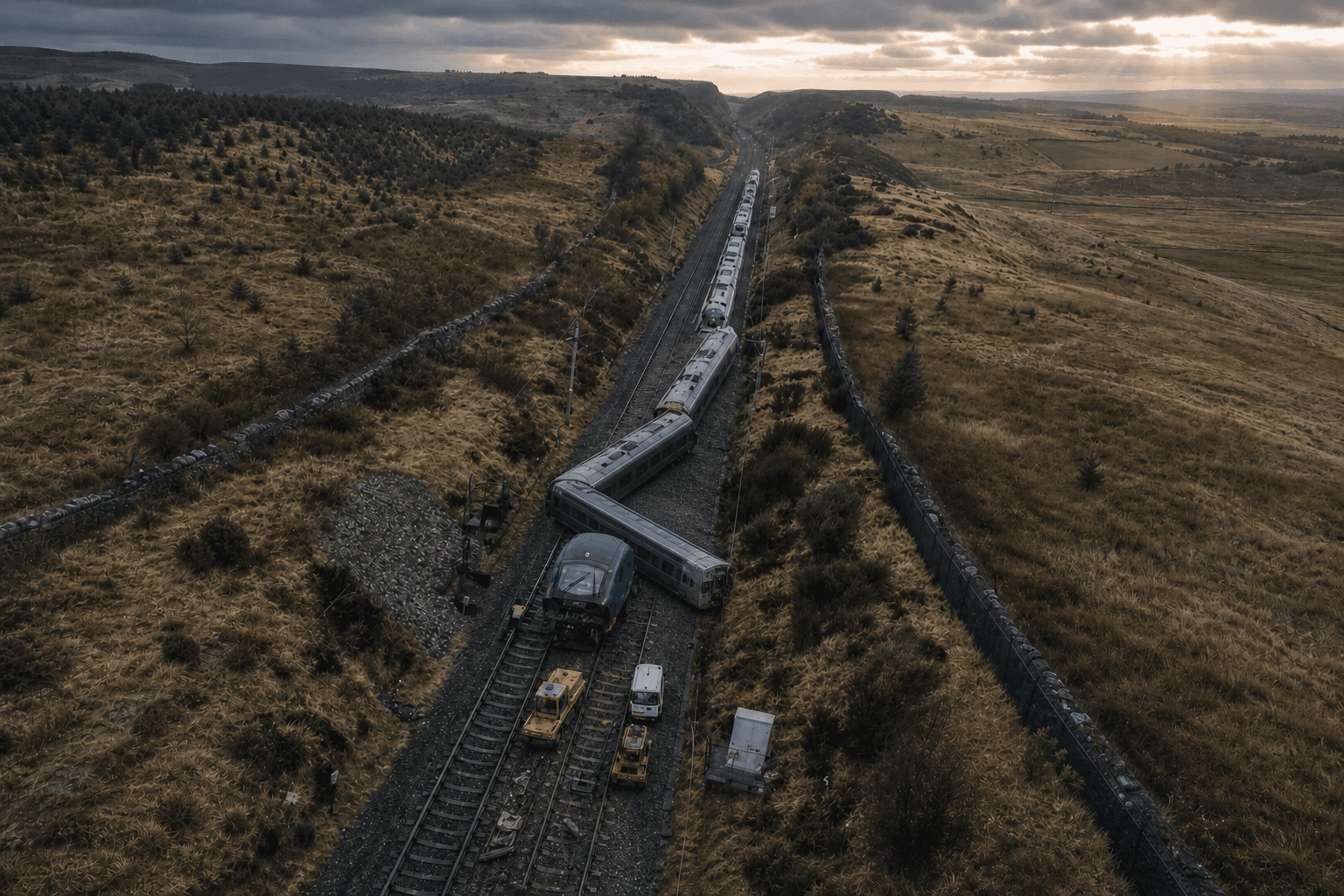
Train derailment
Rural mainline, day one
Hourly, first 72 hours
Every mission leaves something behind: what a place looked like on a given day, or what happened on it while it was happening. The vault is where that lives, and where the owner can choose to sell it.
Stock sells you whatever somebody once shot. The Vault sells you a place we are still flying, so the date is known and the shot can be taken again.
A stock footage site
Whenever somebody happened to be there. Often years ago, rarely stated.
SupaVault
Every clip carries its date, its position and the flight record behind it.
A stock footage site
You get the one take that exists. If you need the same shot in summer, you do not.
SupaVault
The pod is still there. Ask for the same frame on a different day and it flies.
A stock footage site
Wherever a crew could legally get a drone up, which is public land and not much else.
SupaVault
Working ground nobody can get a crew onto: ports, yards, plants, estates.
A stock footage site
Usually the pilot’s problem, and usually undocumented.
SupaVault
Held before the flight, and the landowner has opted in to the listing.
A stock footage site
Priced as if the shoot were commissioned for you.
SupaVault
The flight was already paid for by the mission. You pay for the capture.
Footage of real places, mostly. It grows every time anyone in the network flies anything, and nothing is ever flown speculatively to stock it.
Rural mainline, day one
Hourly, first 72 hours
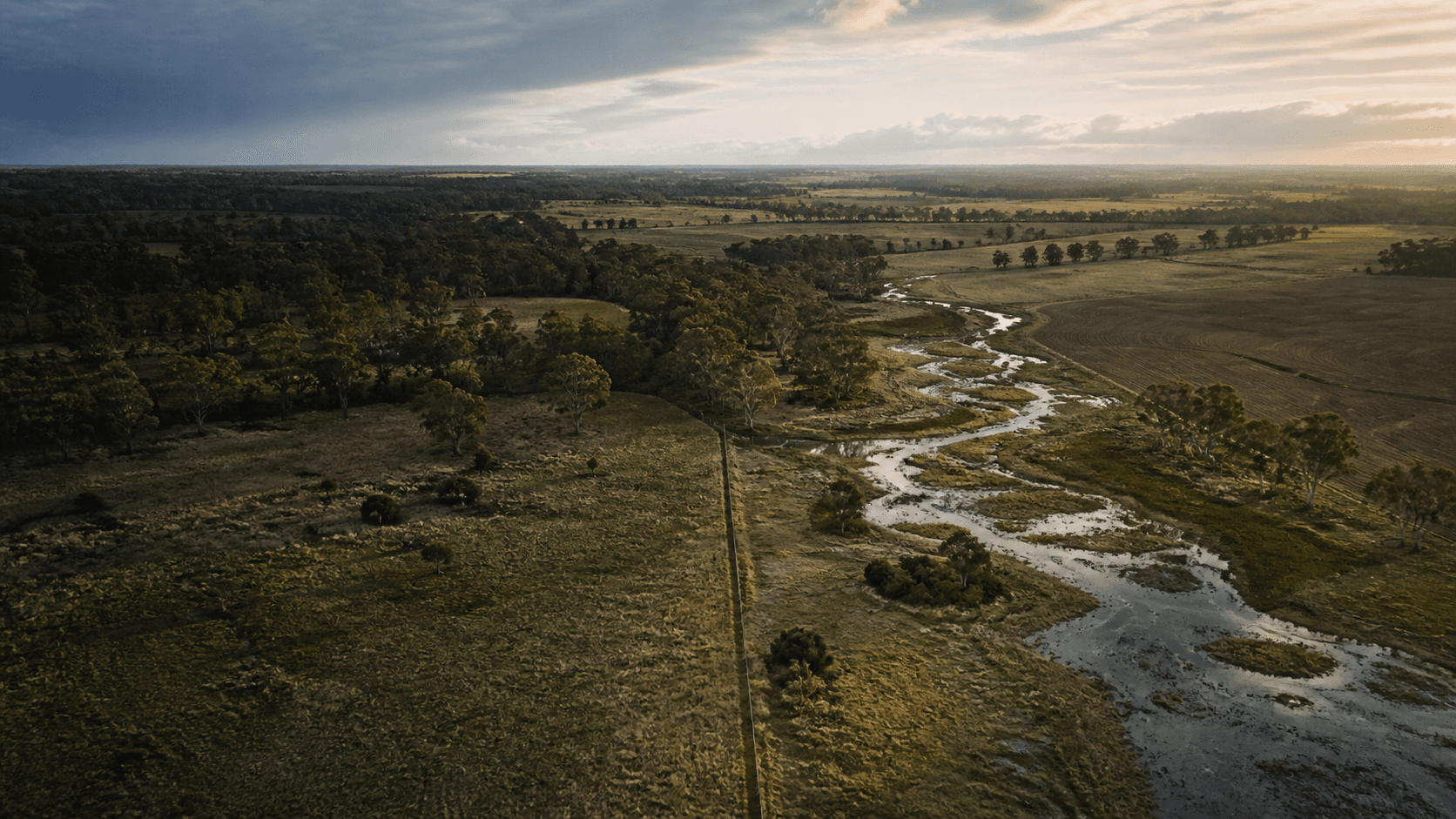
Flood peak and drawdown
Twice daily, 9 days
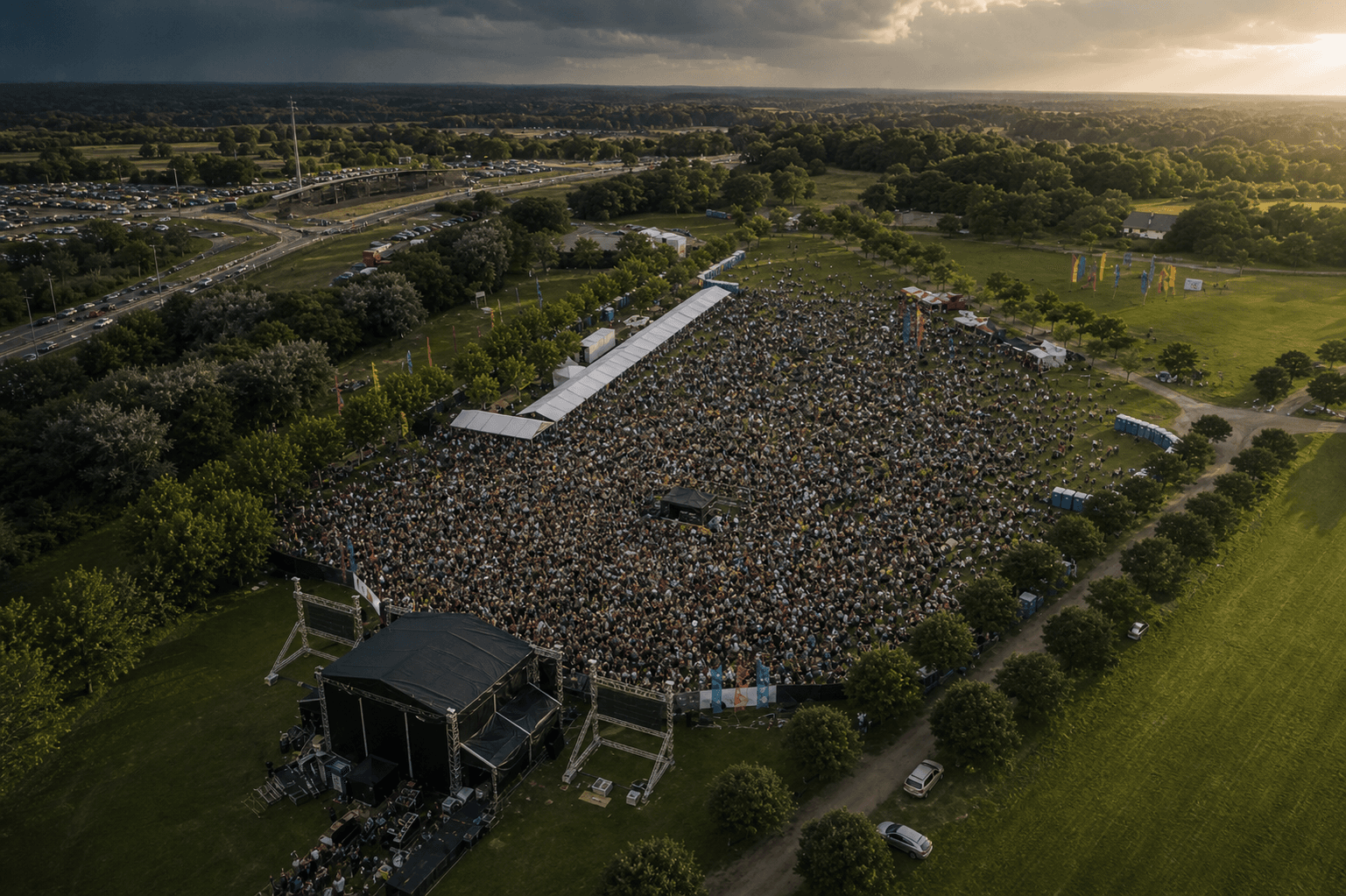
Greenfield event ground
Daily, build to breakdown
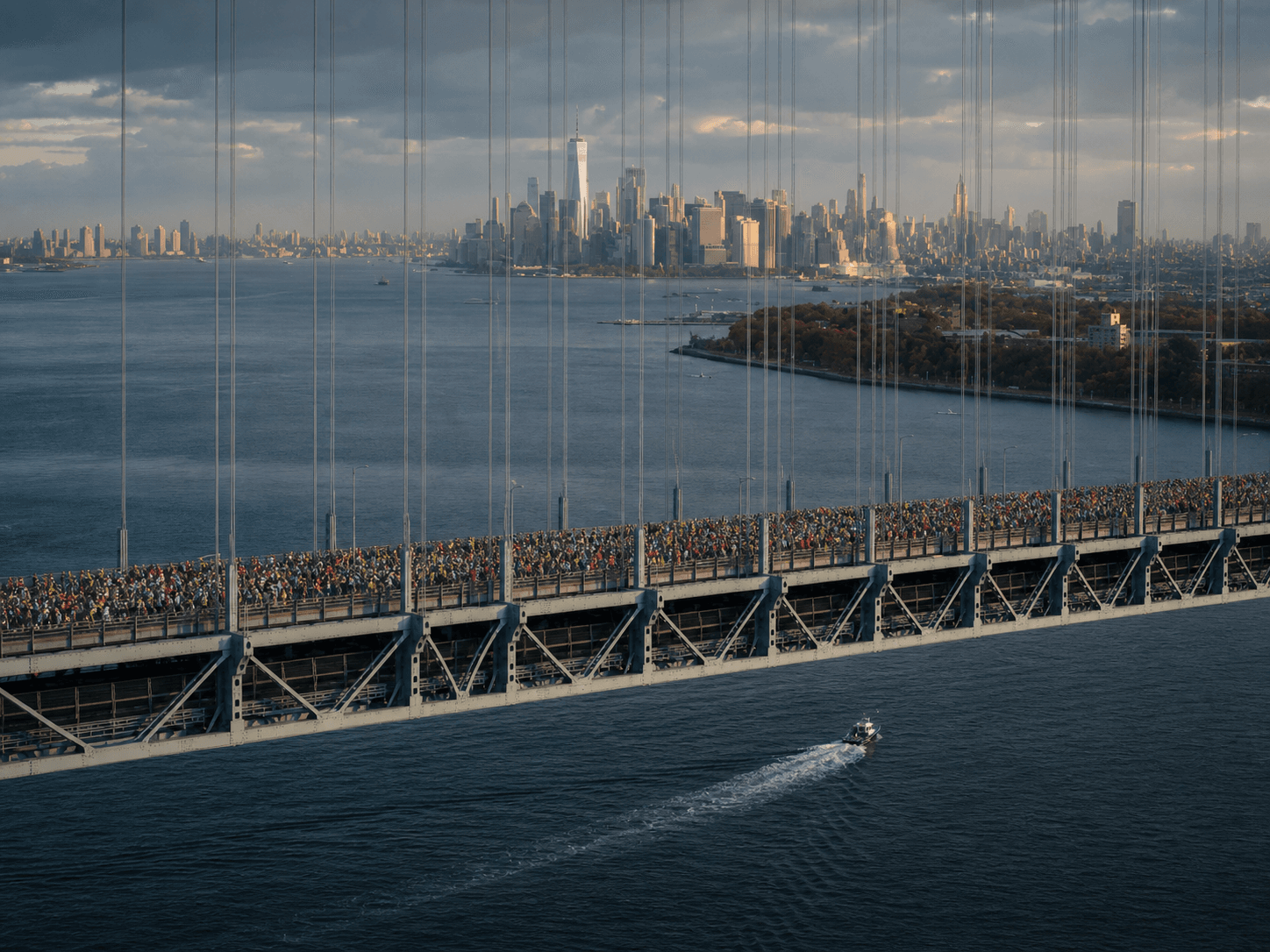
Closed span, skyline behind
Race day, 4 years
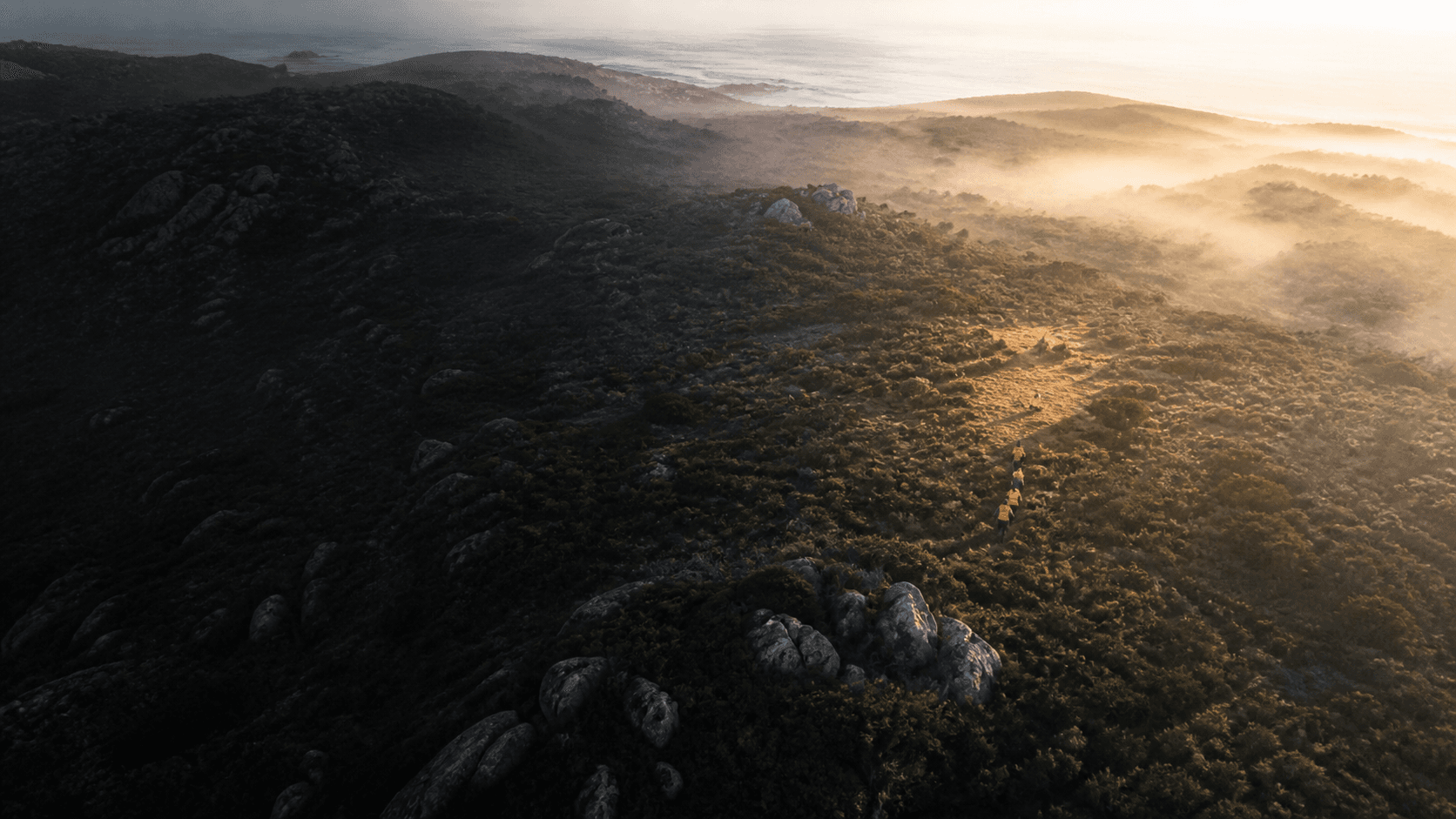
Upland, mist below
Flown 40 times
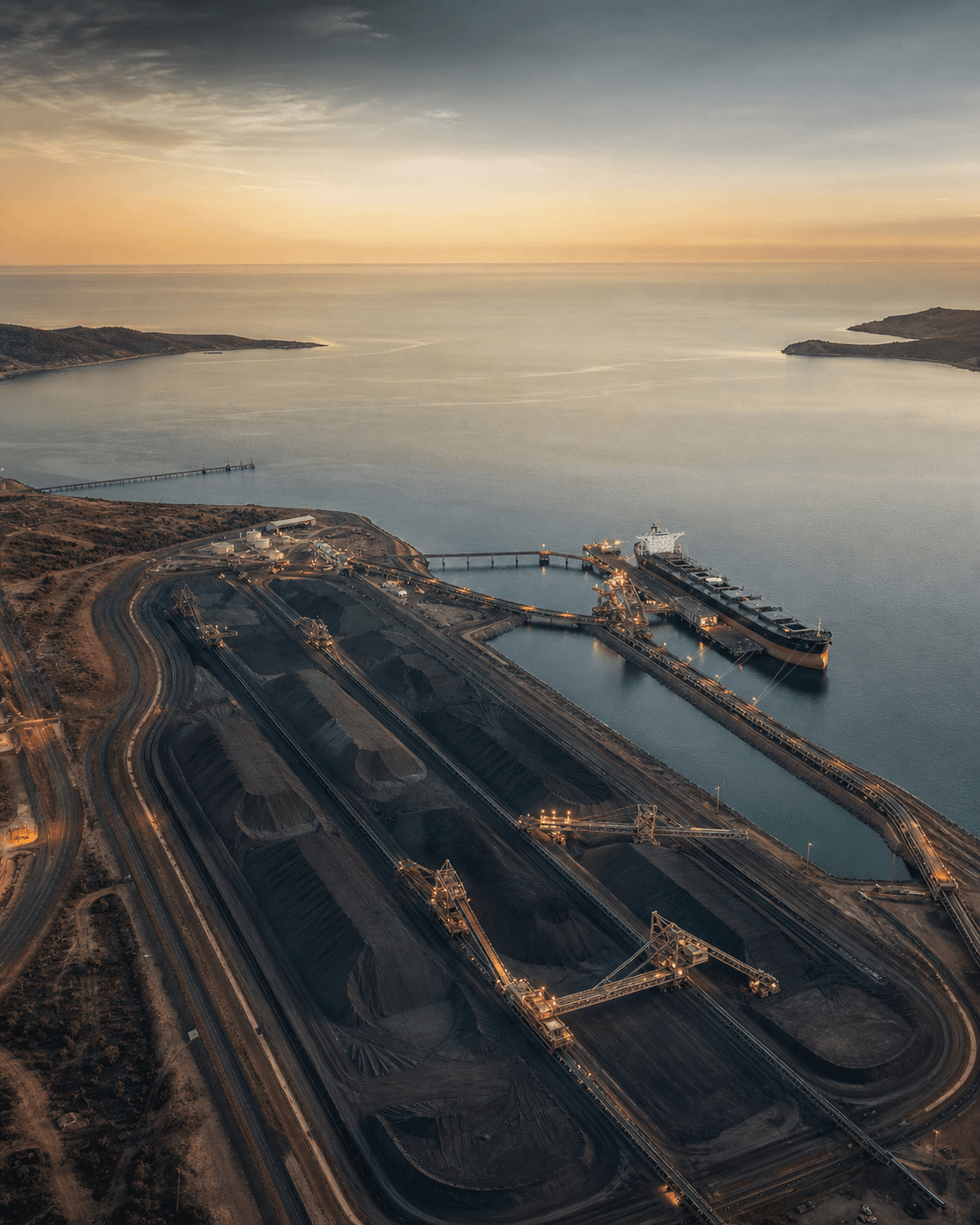
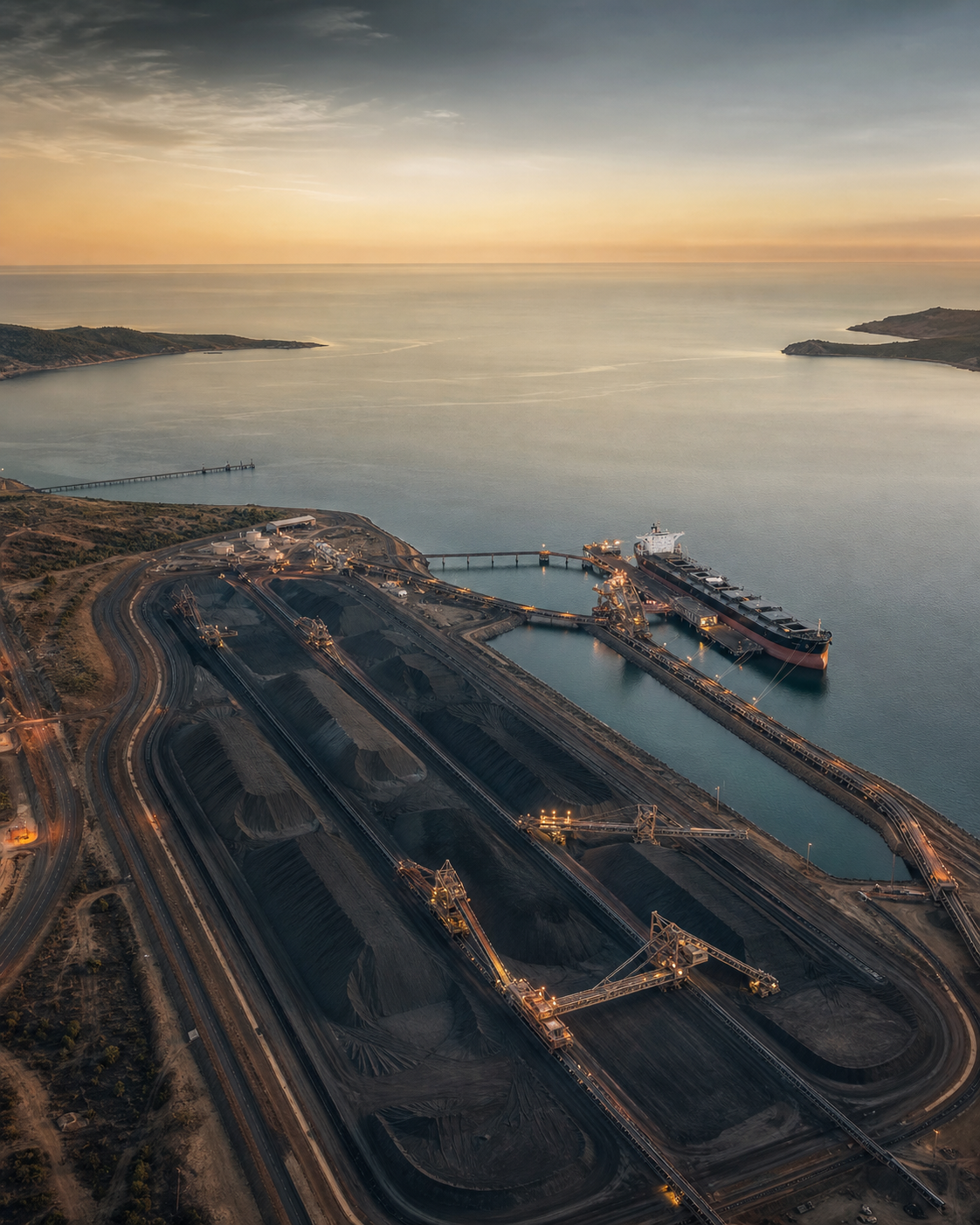
Deepwater port
Daily, 2 years
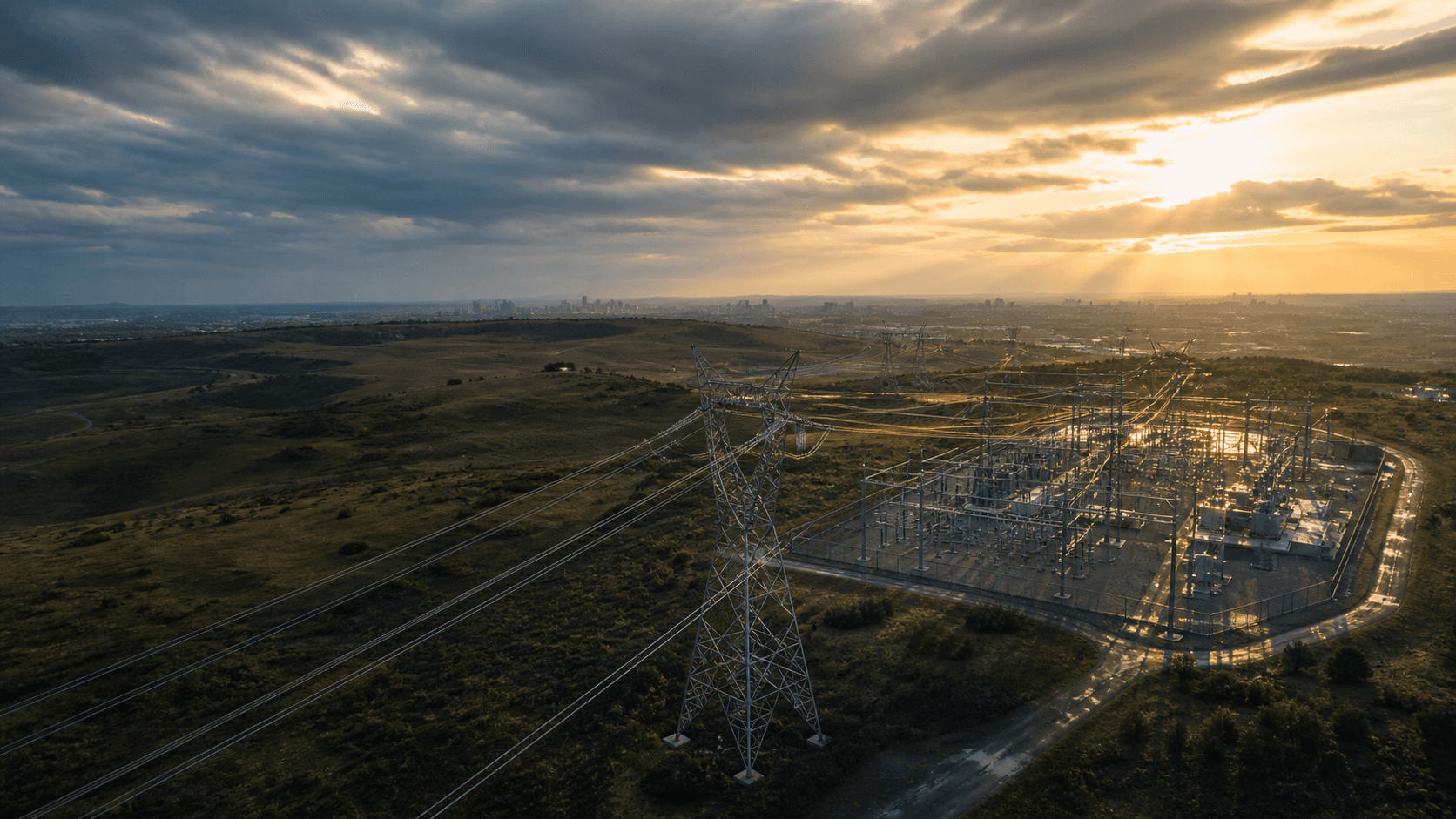
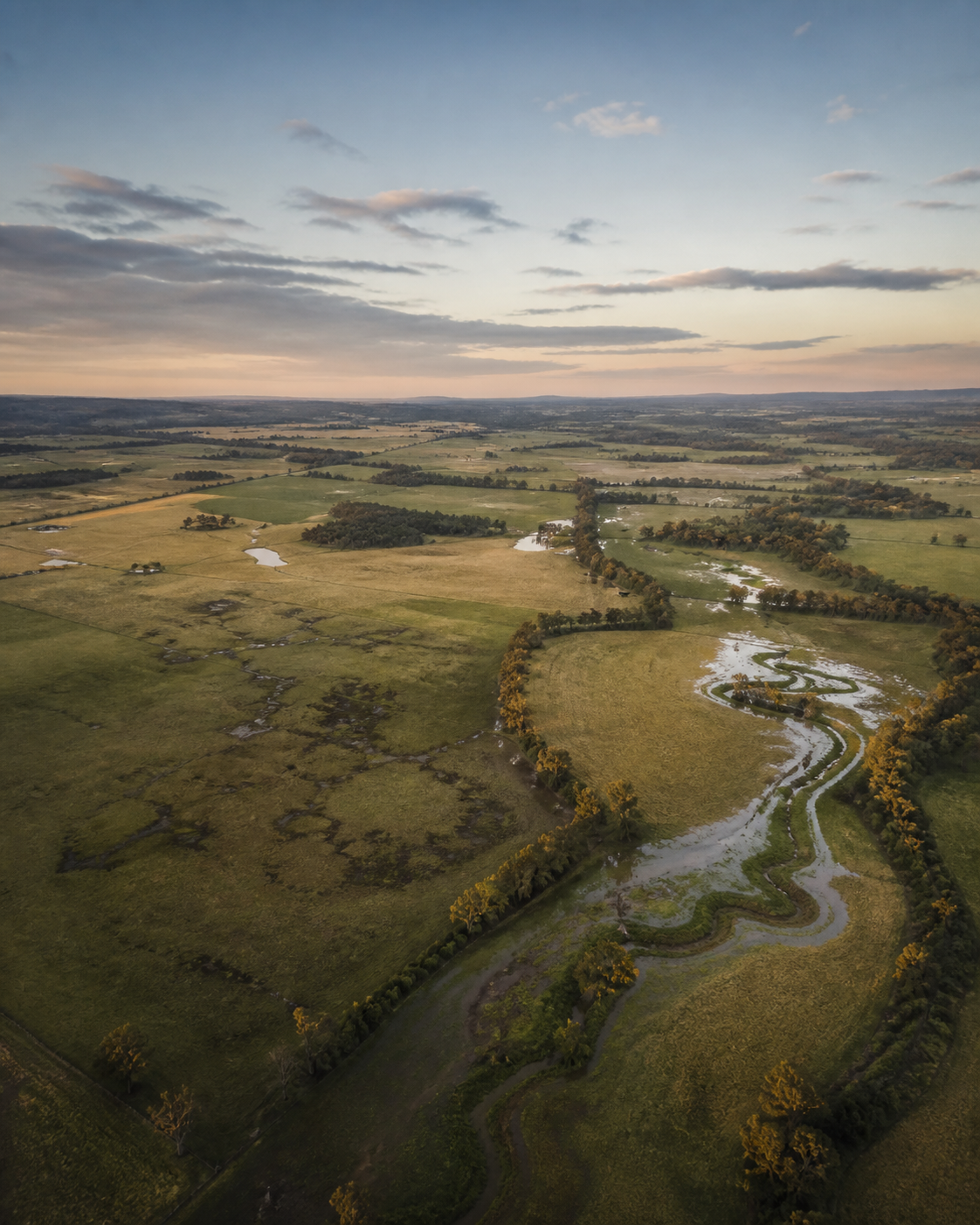
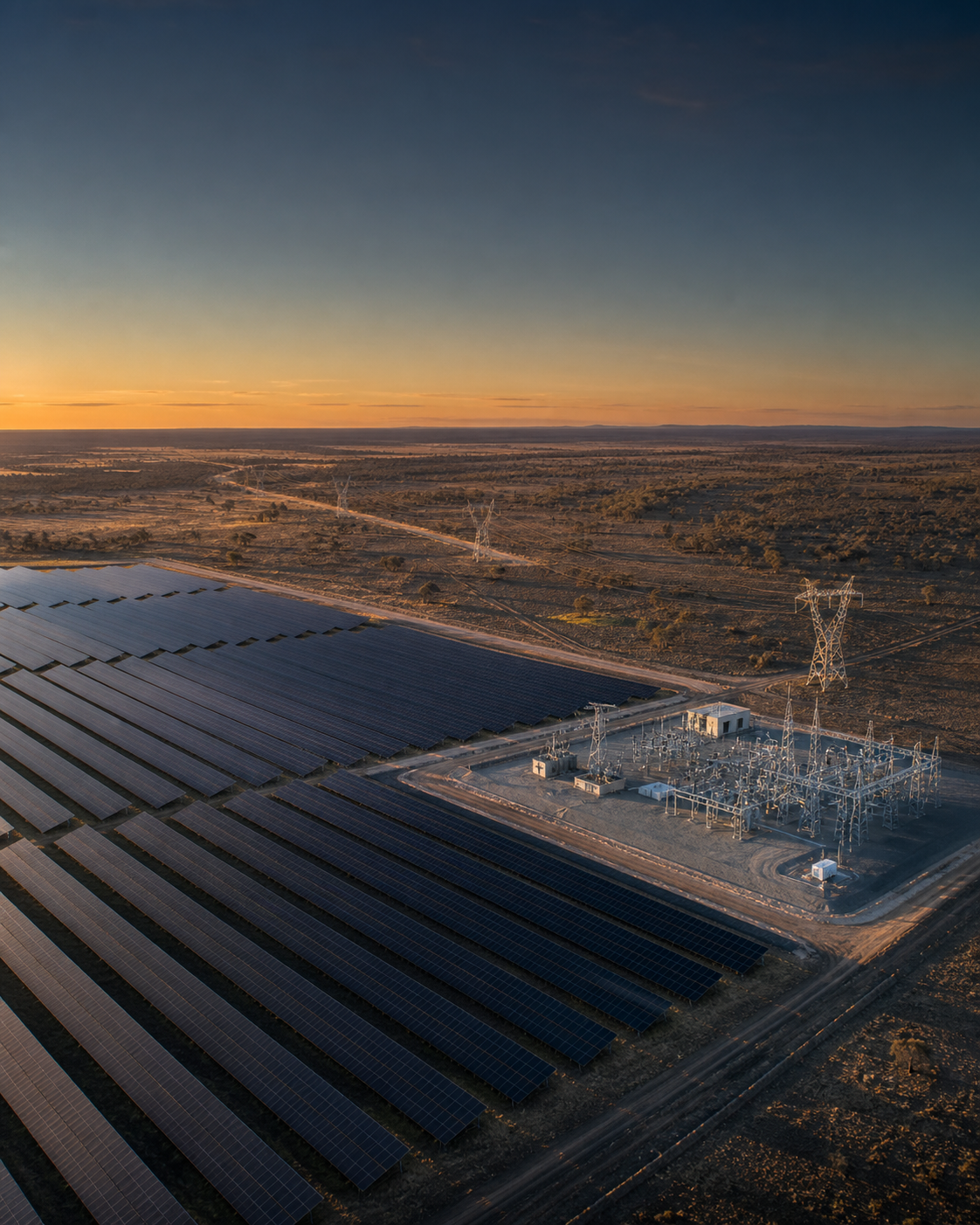
Open country, sunset
Monthly
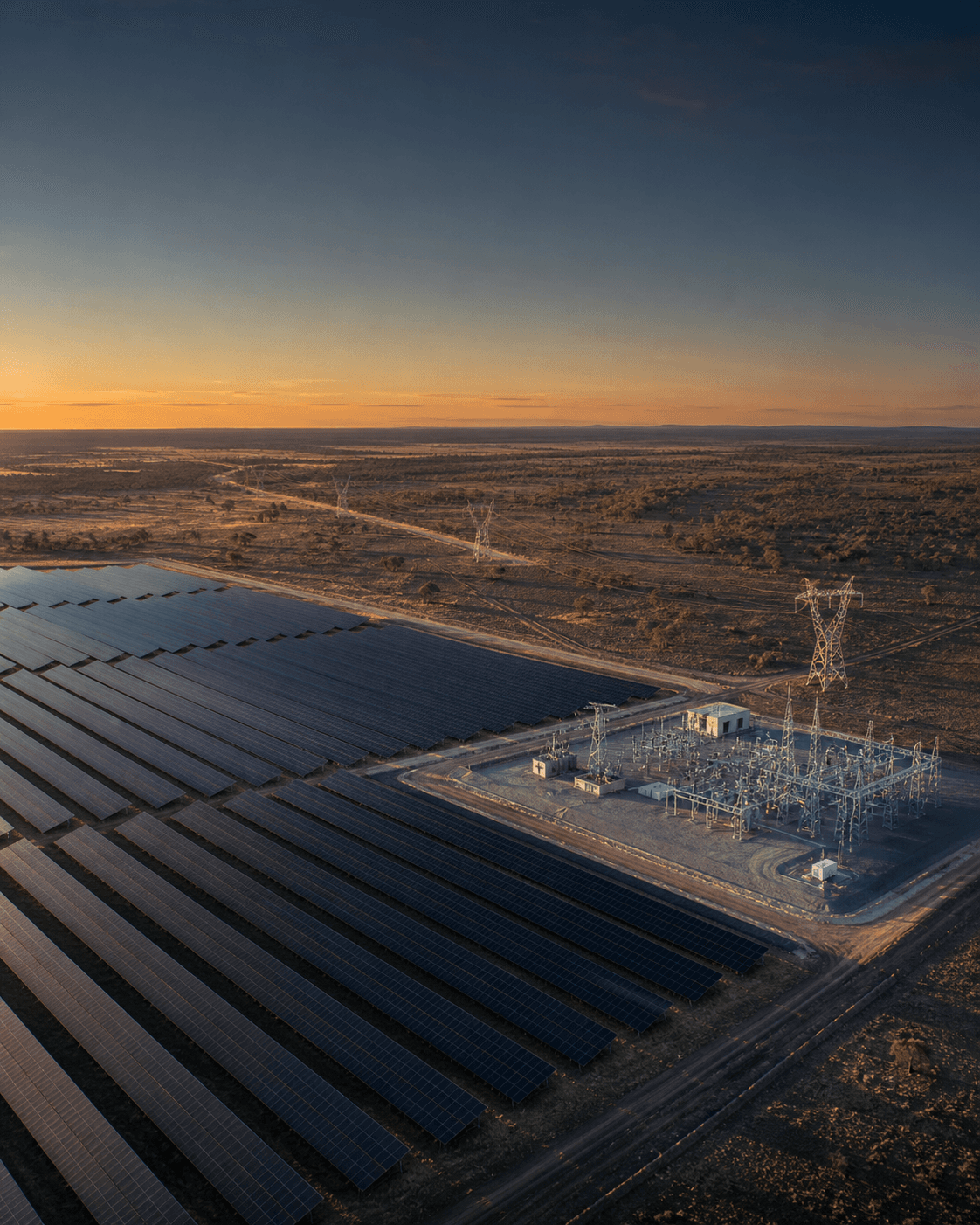
Utility scale array
Weekly, 18 months
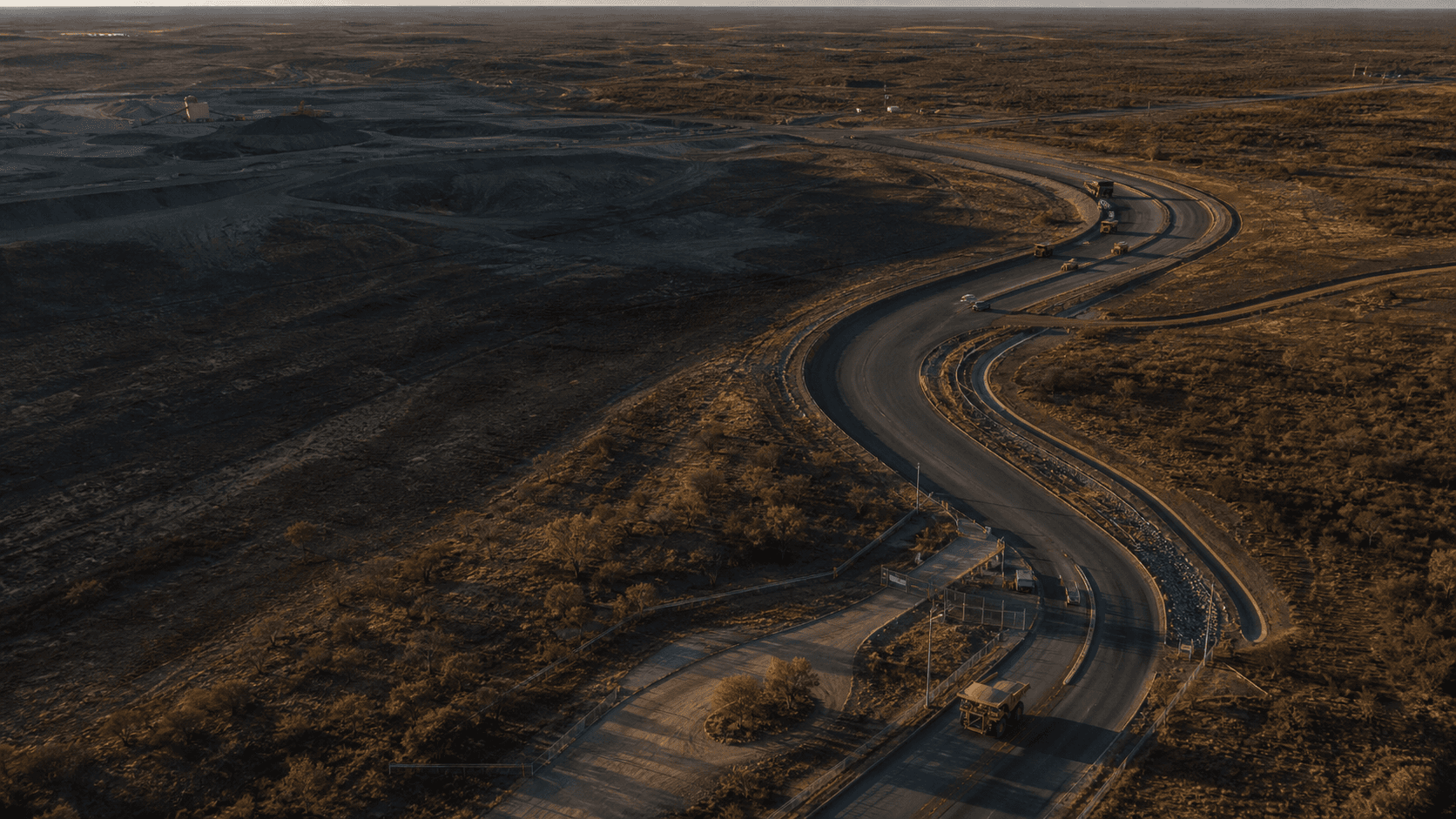
Headland, autumn
Seasonal, 3 years
Lowland floodplain
Quarterly, 4 years
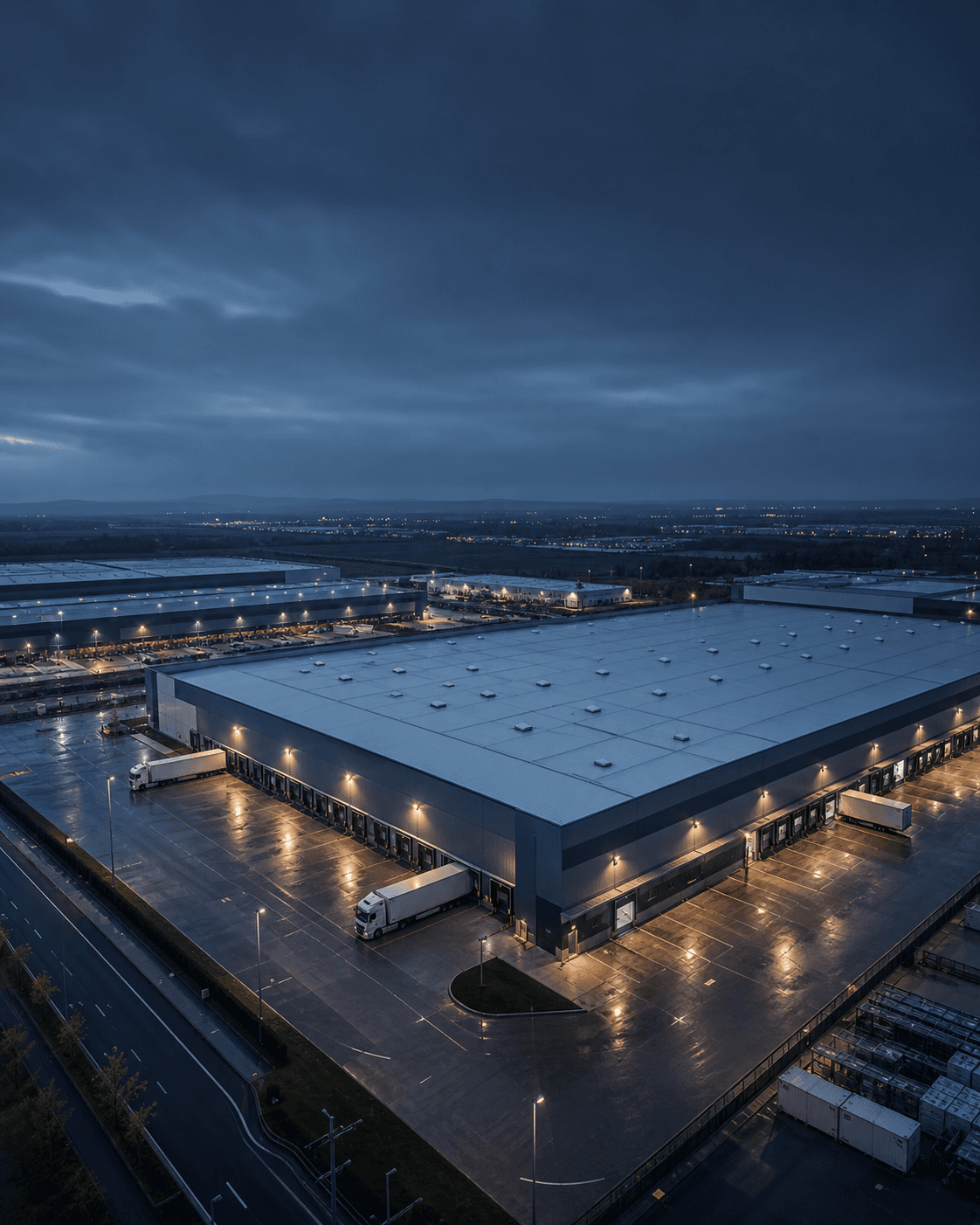
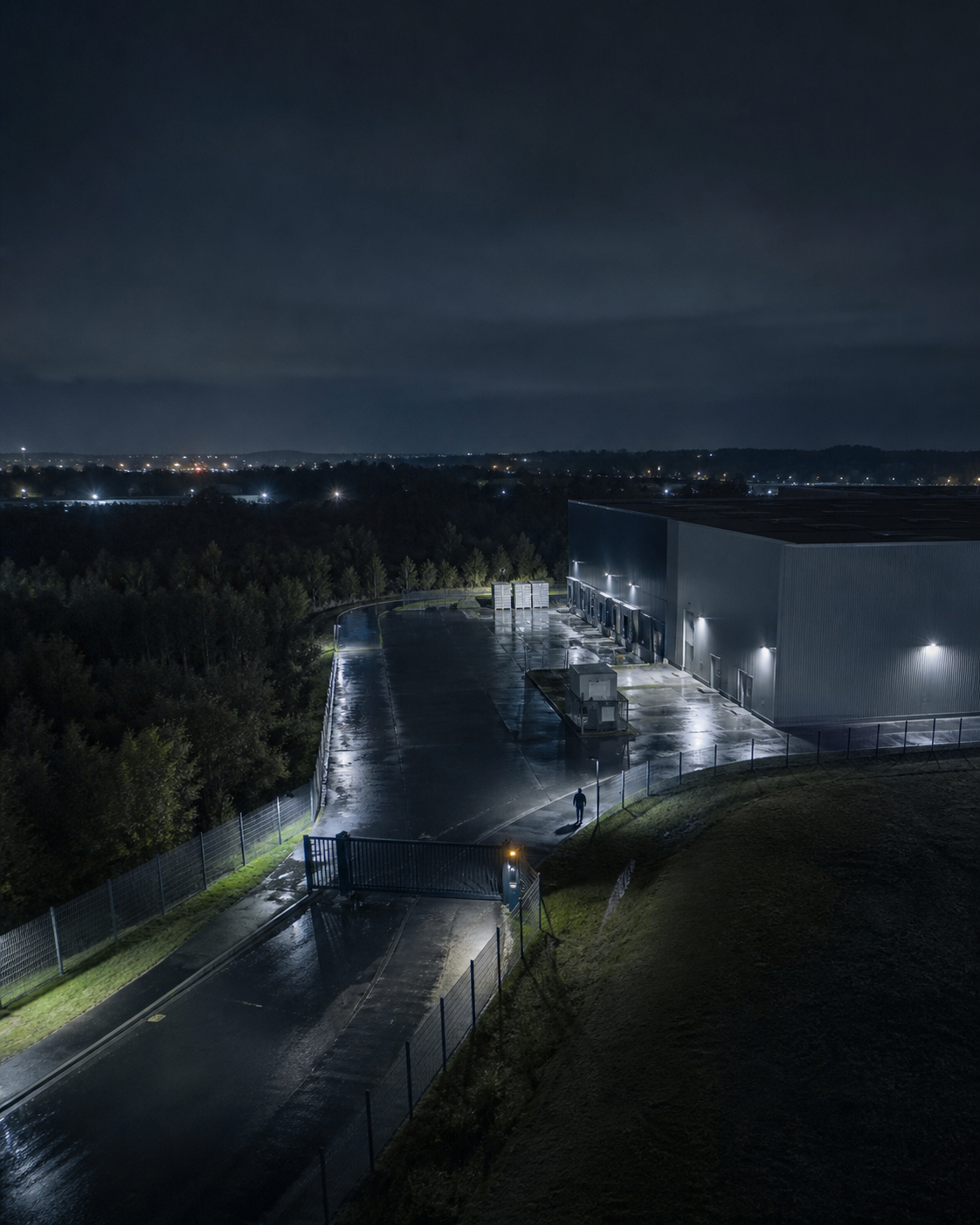
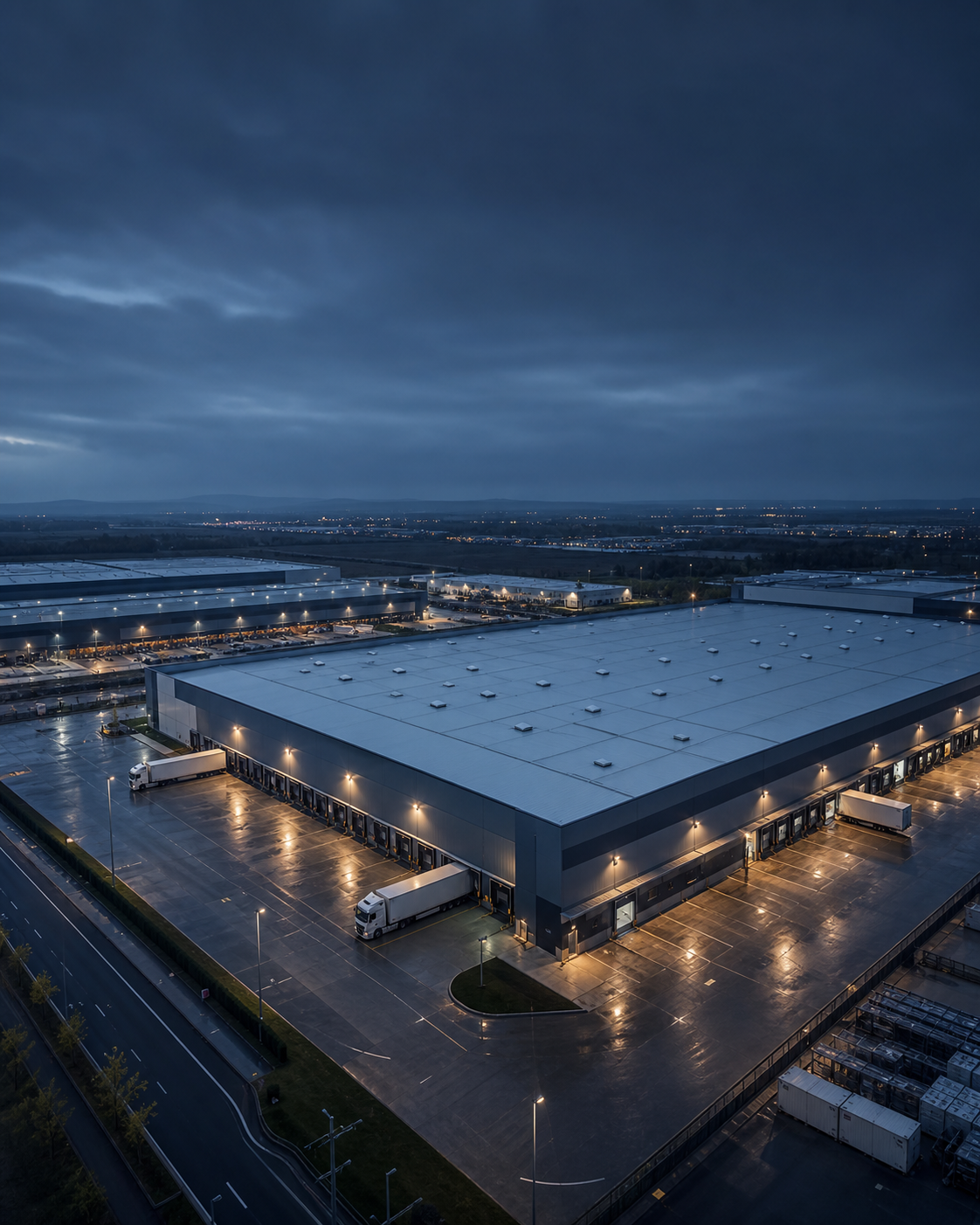
Logistics estate
Nightly
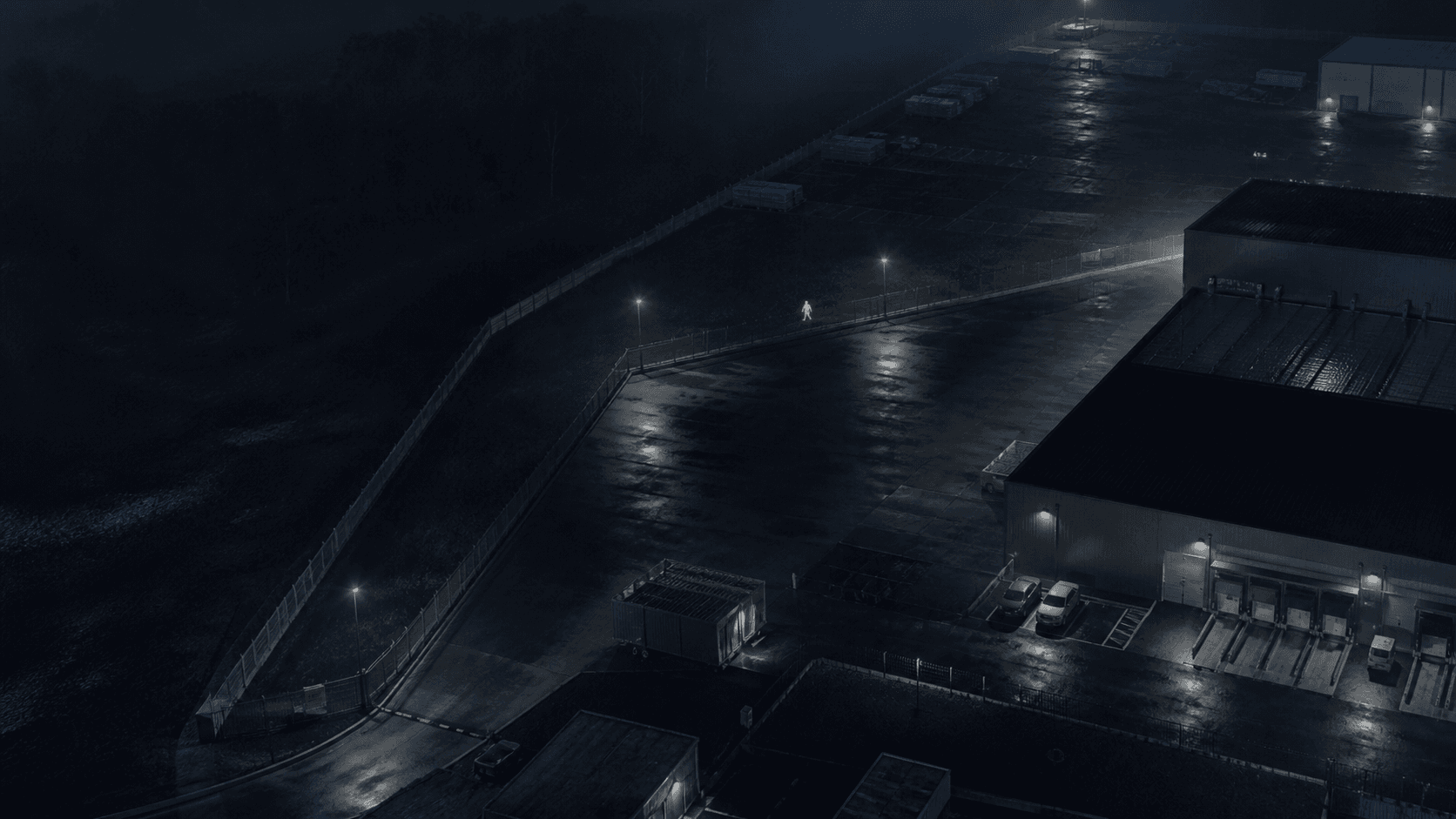
Perimeter, night
Nightly, 2 years
Also in there. Every inspection the network flies leaves a record too. Less to look at, worth a great deal to an insurer, a surveyor or a loss adjuster.
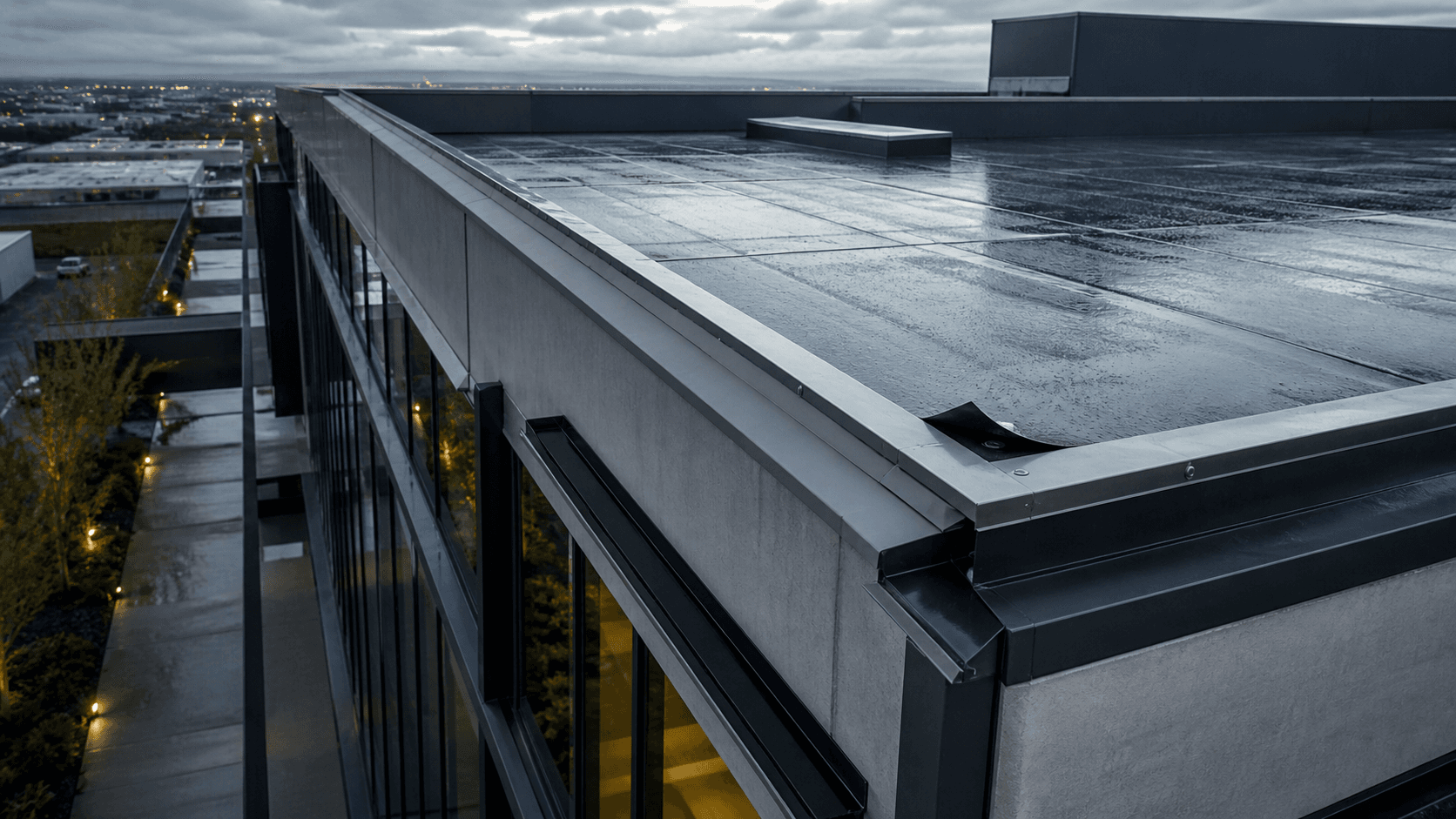
Distribution centre
4 passes
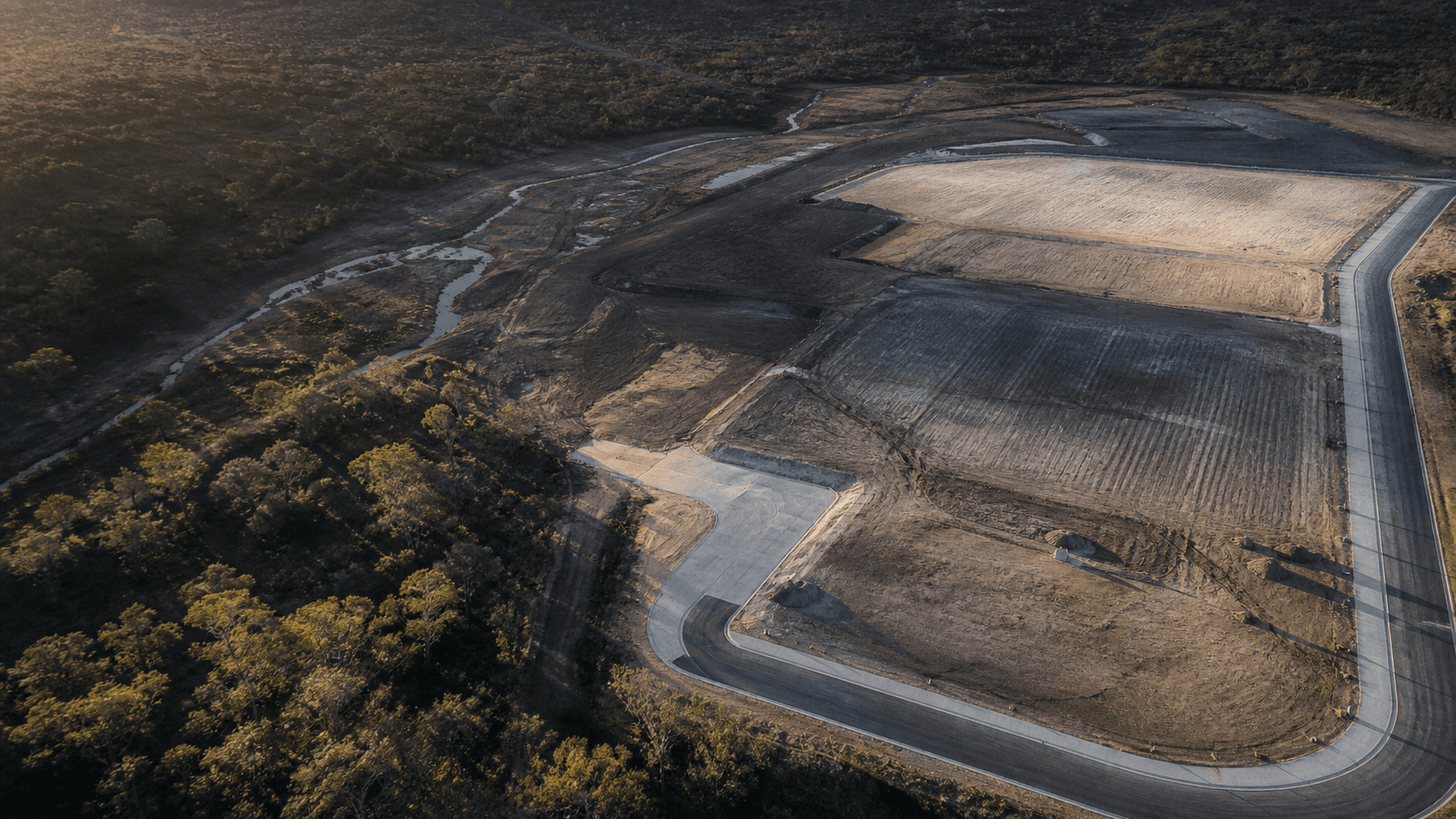
Aggregates yard
Monthly
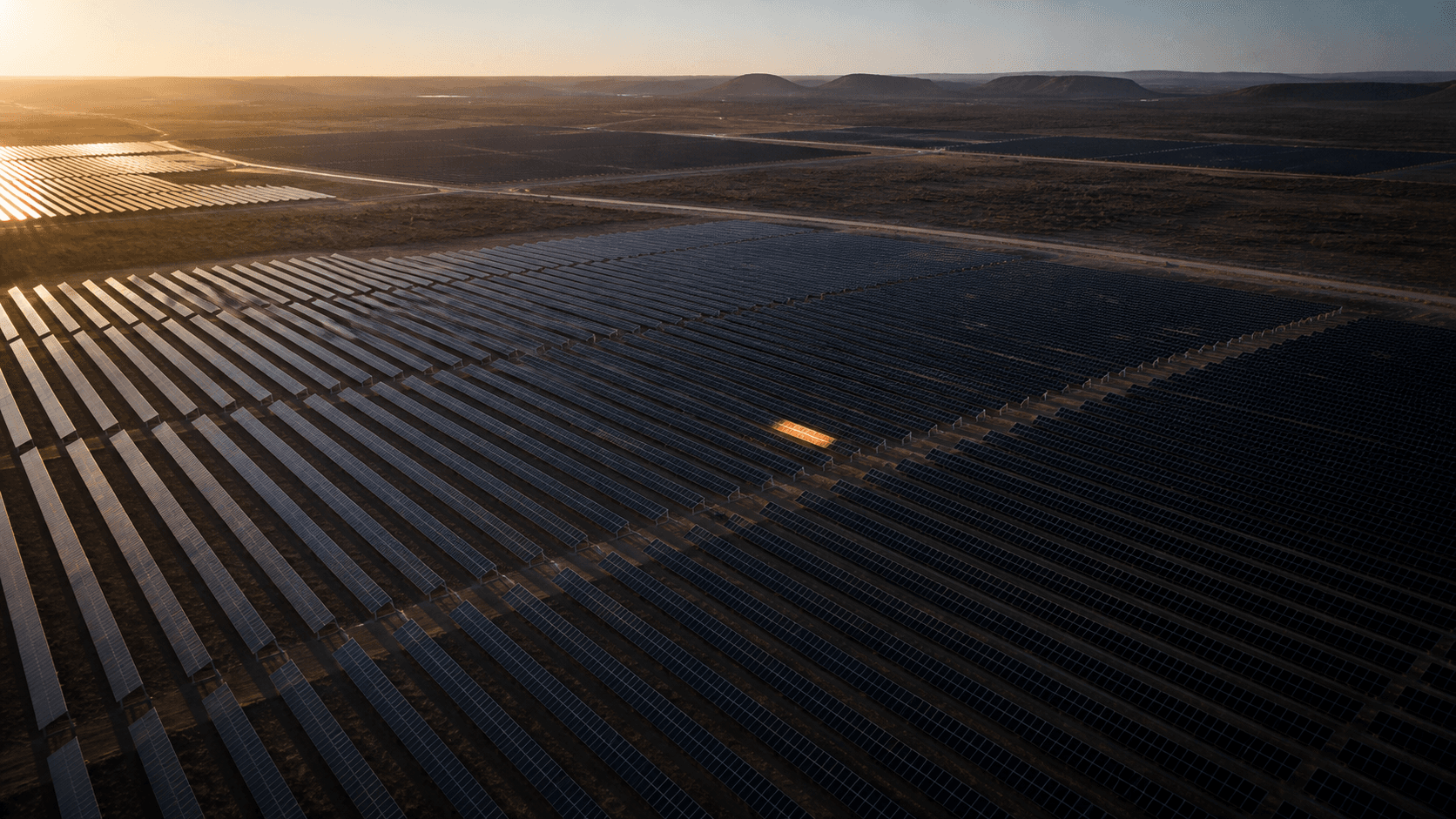
Solar farm
2 passes
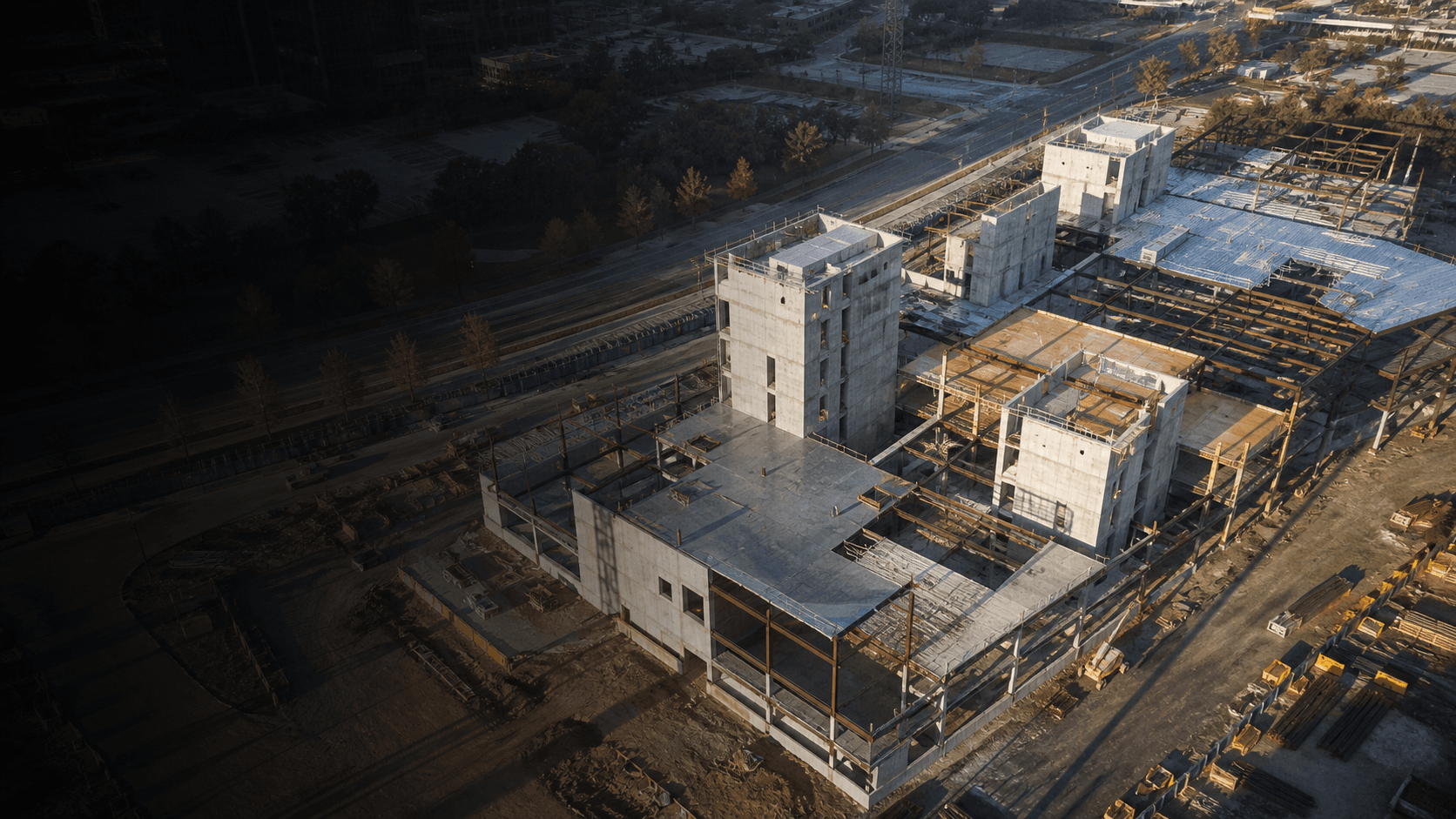
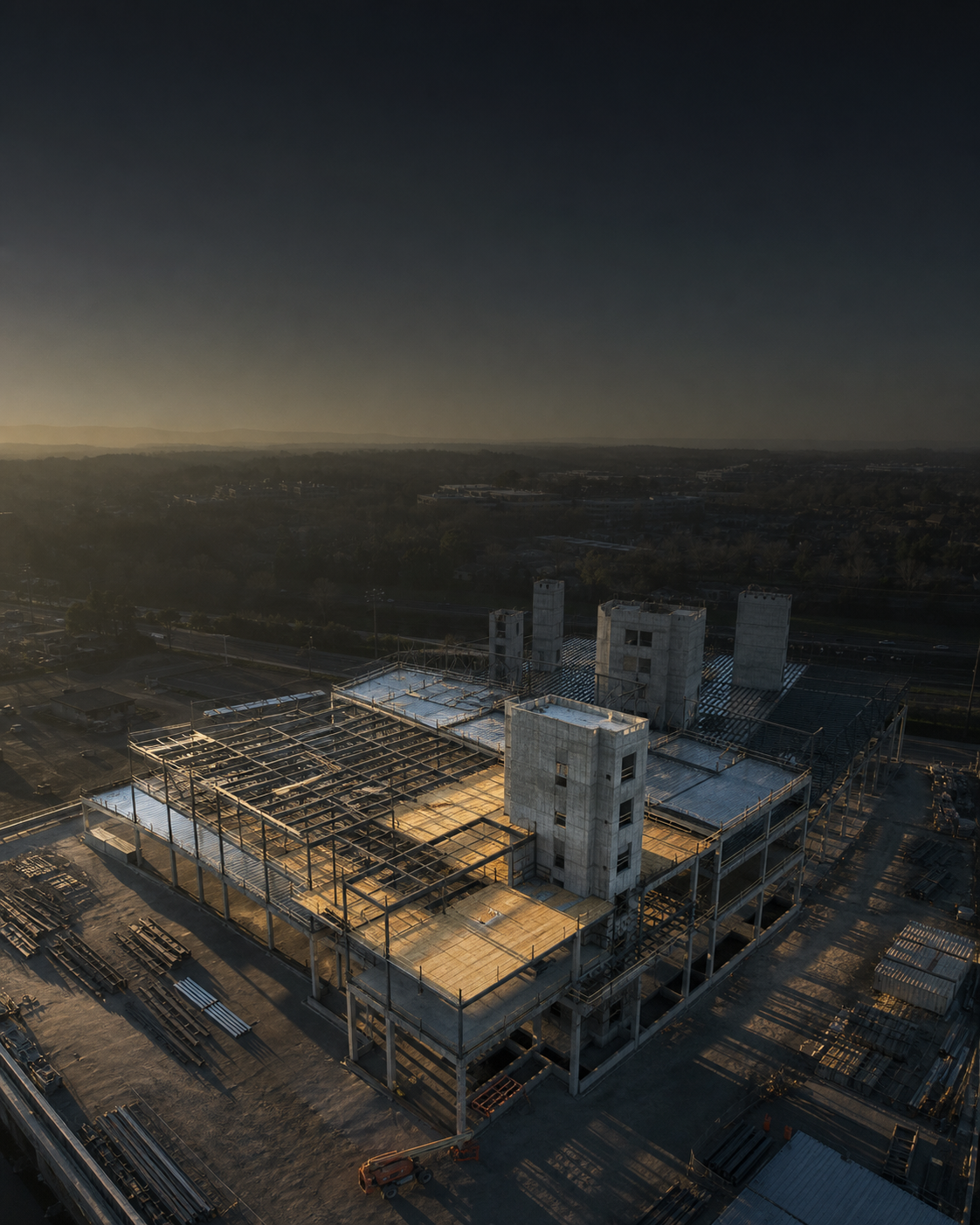
Build site
Weekly, 9 months
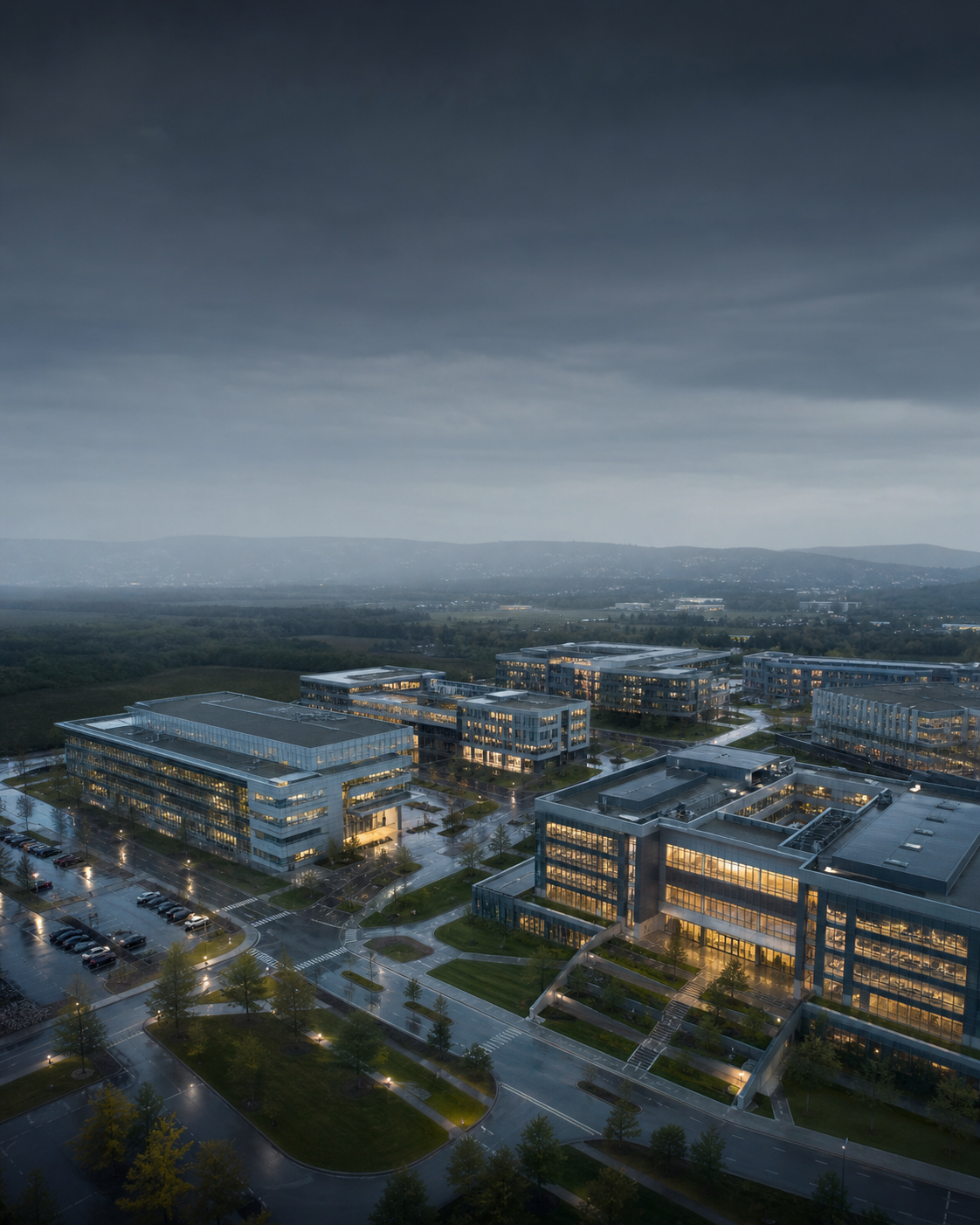
Example captures, shown to illustrate the format. Imagery is placeholder.
One is worth something because of when it was taken. The other is worth something because it can never be taken again.
What a place looked like on a given day. A survey, a thermal pass, a progress record, an asset check. You can always fly it again. What you cannot do is fly it again last March, so the value sits in the date, and it grows as the record ages.
What happened, while it was happening. A fire, a flood, a collapse, a storm going through. Nobody re-flies an incident, so a pod that was overhead at the time holds the only aerial record of it that will ever exist. It is worth something the moment it exists, and stays that way.
When it was captured, provably. Where, to a coordinate. What with, so the sensor and the resolution are known. A chain of custody good enough for a file somebody is going to argue about.
The archive is wherever pods have flown, and a buyer wants a specific address. For a long time the answer to whether we hold your location will be no. That is a function of how many pods are in the ground, and it fills in as the network does.
This only works if site owners trust it, so the default is off and the owner is paid.
Capture stays private unless the site owner explicitly agrees to list it. Silence means no.
When their capture sells, they take a share. Listing becomes another way the pod pays for itself.
A listing can be pulled. What has already been sold stays licensed, but nothing further is offered.
Capture is checked before it is listed. Faces, plates and identifying detail are obscured, and anything sensitive does not go up at all.
Anything showing casualties or serious injury is not sellable at any price. Where an authority is investigating, the record goes to them and any listing waits. Handing a record to an investigator, a court or the people involved is a disclosure, and it is never a sale.
Condition before an event, not just after it. Nobody can currently produce pre-loss condition at all, and it is the hardest thing to prove in a property claim.
Accident and fire investigation turns on sequence, spread and position, and an aerial record taken while it was happening is evidence nothing else replaces.
Existing capture to work from, or a historic run to compare a new survey against, without sending anyone back out.
The same record, wanted by everyone with an interest in it, with the provenance to survive an argument about it.
A dated aerial record of a place, which is worth more than a pretty frame when it runs as news.
Real site context to work into a proposal, and change across years where it exists.
The site, the approach and the surroundings, shot properly and shot recently.
Establishing shots of real working places, with the access and the paperwork already settled, rather than the same four stock clips every competitor has licensed.
Missions already flown from pods in the network. Every flight leaves its capture in the Vault. Nothing is ever flown speculatively to stock it, which is why it costs what it does.
License it for commercial use. Terms depend on the clip and on what the site owner agreed to, and both are shown on the listing before you buy.
Ask for it. If a pod is already within range of that place, it can go and get it, and you are quoted for a mission rather than a licence. A stock site can only sell you what already exists.
Only listings the owner has explicitly opted in to appear at all. Sharing is off by default, and the owner takes a share when their capture licenses.
Listings are of places, not people. Capture is reviewed before it goes up, and anything that would identify individuals is not suitable for sale.
Not by default. A clip can be licensed by more than one buyer, which is what keeps it cheaper than commissioning a shoot. Exclusive terms are a separate conversation.
What the original mission captured. Most listings are stills and video; an operational listing may also carry thermal, an orthomosaic, measurements or a report. The listing states what is in it.